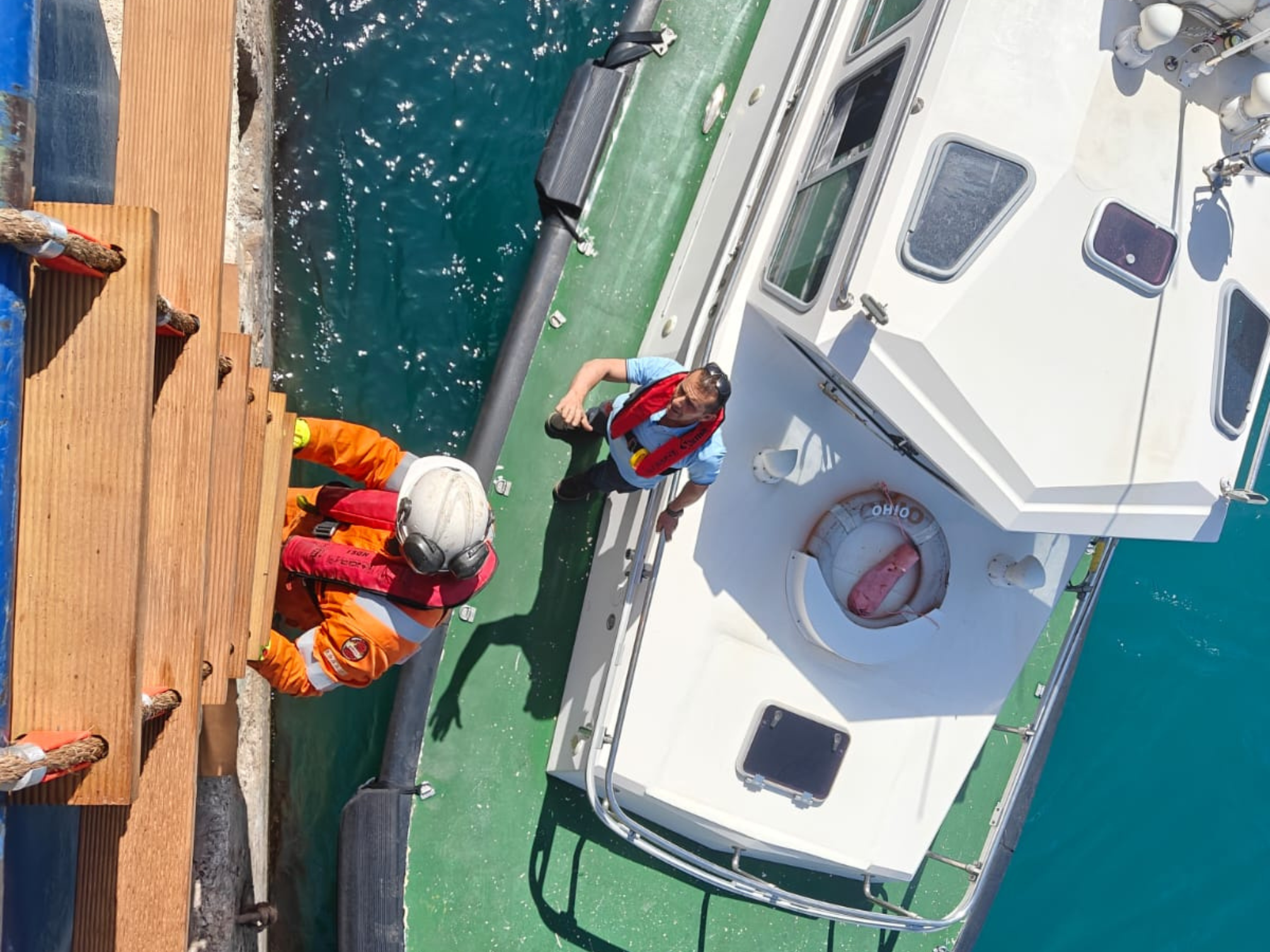
The safe transfer of personnel at sea is a high-stakes maritime operation that demands precision, expert planning, and specialized skills. Trusted by major regulatory organizations, surveyors, and shipping companies, this two-day course is designed to empower maritime professionals to navigate challenging environments with total competence.
Interested in attending? Have a suggestion about running this event near you?
Register your interest now
Description
Entry Requirements
-
Minimum age 18 years
-
Able to communicate in the English language
-
Physically fit to perform duties in a maritime environment
-
Does not suffer from Acrophobia
Learning Outcomes
Day 1: Theory & Risk Management
The first day focuses on the critical knowledge required before setting foot on a ladder.
-
Comprehensive Foundations: Understand various boarding arrangements, vessel types, and the impact of environmental conditions on safety.
-
Operational Safety: Focus on pre-departure conduct, the importance of physical and mental self-awareness, and the correct use of PPE.
-
Strategic Assessment: Learn to apply dynamic risk assessments and use job-ready checklists to identify hazards before they become incidents.
-
Case Study Analysis: Review past maritime incidents to internalize best practices and avoid common pitfalls.
Day 2: Hands-On Practical Training
The second day moves from the classroom to the water for intensive, practical application under expert guidance.
-
Live Transfer Maneuvers: Experience actual embarkation and disembarkation. You will move from pilot ladder setups to active pilot/transfer boats, simulating true-to-life conditions.
-
Communication in Action: Practice the essential dialogue between the transfer boat and the receiving vessel, ensuring you understand the coordination required for a seamless transfer.
-
Emergency Preparedness: Participate in man-overboard recovery drills using specialized equipment, ensuring you are prepared for the unexpected.
