Bridging the Decarbonisation Gap: Implementing HVO in Superyacht Operations
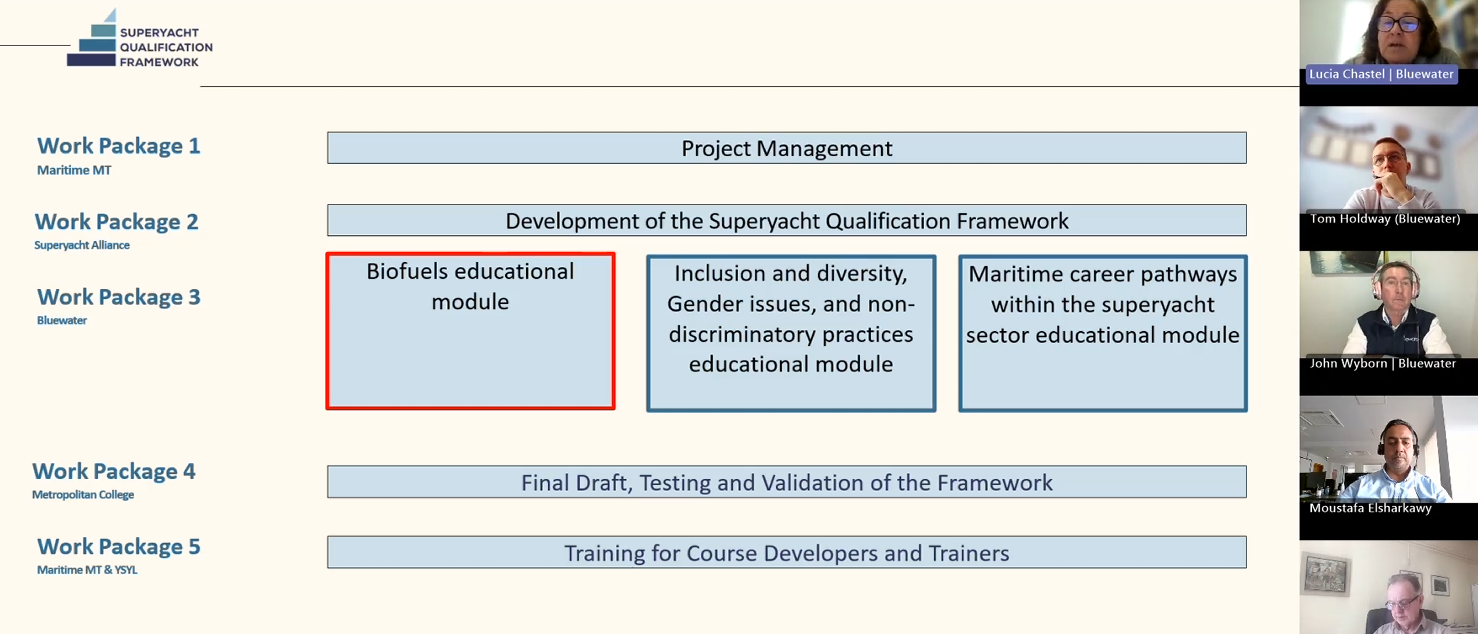
The maritime industry faces an urgent mandate to reduce greenhouse gas emissions. For the superyacht sector, decarbonisation is no longer a distant theoretical exercise; tightening international regulations, regional carbon frameworks, and heightened client scrutiny require immediate operational readiness. Developed under the Superyacht Qualifications Framework (SYQF) and aligned with the IAMI GUEST unit specification, the unit The Road to Sustainability: Implementing HVO in the Yachting Industry provides operational crew, engineers, and yacht managers with a structured pathway to evaluate and implement alternative drop-in fuels.
Technical Literacy: Distinguishing HVO, FAME, and MGO
A successful transition away from conventional Marine Gas Oil (MGO) demands a clear understanding of fuel chemistry and production pathways. While traditional MGO serves as the known operational and commercial baseline, alternative bio-derived fuels behave differently onboard:
- Hydrotreated Vegetable Oil (HVO): Produced via hydrotreatment and upgrading of waste streams such as used cooking oil (UCO) and animal fats (second-generation feedstocks). HVO consists of straight-chain paraffinic hydrocarbons and contains no oxygen. This delivers high oxidation stability, zero water affinity, and a high cetane rating, making it a reliable drop-in replacement that produces cleaner, quieter combustion with minimal smoke and odour.
- Fatty Acid Methyl Esters (FAME): Produced via esterification or transesterification. FAME contains oxygen ester bonds, rendering it chemically active and biodegradable. However, these characteristics introduce risks such as higher water absorption, microbial growth, lower oxidation stability, and poorer cold-flow performance, making it less suitable for vessels with intermittent or seasonal operating profiles.
Although HVO exhibits an energy density close to MGO by mass its lower physical density results in a 3% to 5% increase in volumetric fuel consumption. Operational planning must therefore incorporate strategic voyage recalculations to maintain standard operational range.
Operational and Engineering Compatibility
Implementing alternative fuels requires formal verification rather than assumption. The SYQF unit establishes practical assessment workflows before bunkering takes place:
- Fuel Specification and Compliance: Verification of HVO product documentation against the EN 15940 standard for paraffinic diesel fuels, backed by certified product specifications and bunkering certificates.
- Engineering and Technical Checks: Assessment of engine and generator compatibility, Original Equipment Manufacturer (OEM) guidance, warranty terms, and fuel system elements, including seals, filters, fuel lines, injectors, and tank coatings.
- Onboard Fuel Protocols: Establishment of rigid handling and storage procedures, contamination controls, sampling regimens, and tank condition monitoring.
Regulatory and Commercial Realities
Compliance with international regulations and the economic consequences of non-compliance are the primary drivers of biofuel adoption in the yachting industry. Regulatory milestones including the EU Emissions Trading System (EU ETS), FuelEU Maritime, RED III mandates, and the International Maritime Organization (IMO) GHG reduction targets, are accelerating compliance pressure across global hubs.
Commercially, the unit equips professionals to conduct robust Total Cost of Ownership (TCO) analyses. This course accounts for fuel premiums, identification of fuel origins and Proof of Sustainability (PoS) certification, logistics, bunkering availability across Mediterranean and international hubs, and volumetric variance, balanced against carbon tax avoidance, charter market appeal, and long-term asset preservation.
Practical Industry Value
By shifting the sustainability conversation from abstract policy to applied engineering and commercial strategy, this training unit provides captains, chief engineers, and management companies with the practical competence required to deploy biofuels safely, credibly, and efficiently.
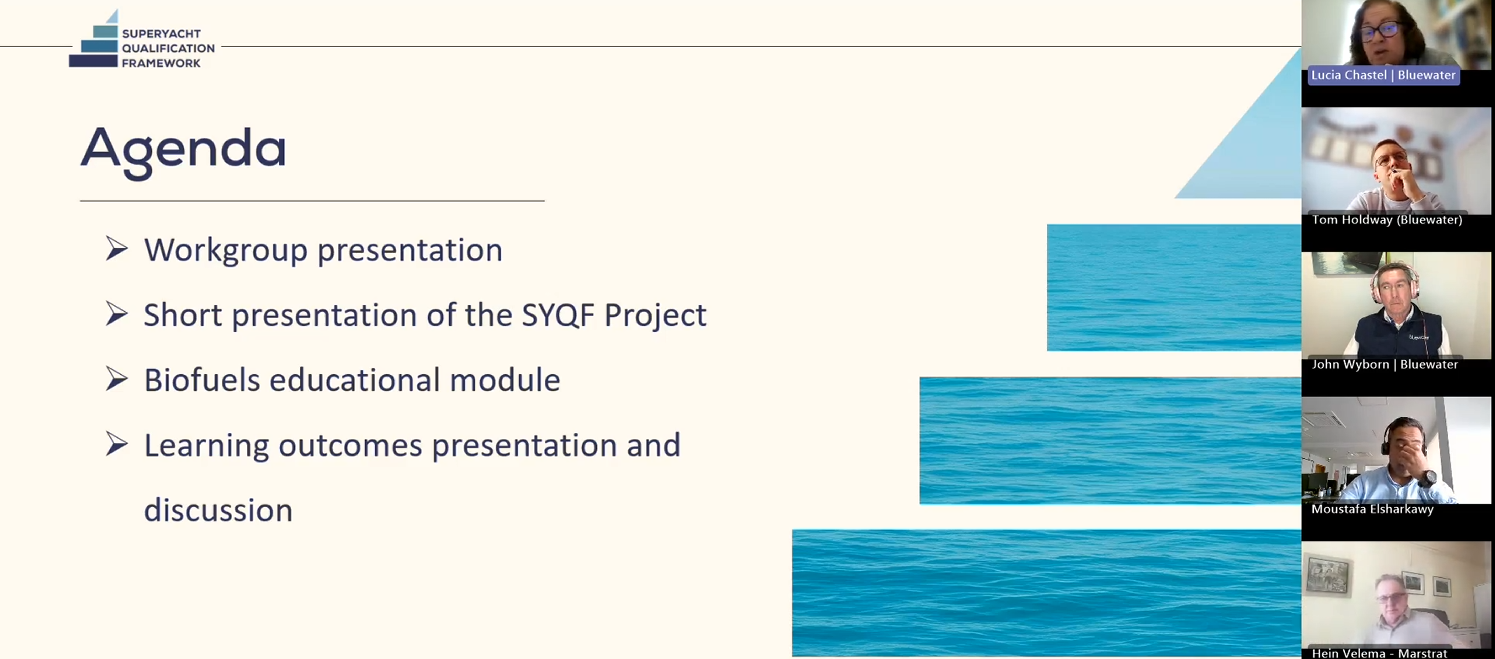
Special thanks to the following industry leaders for their contribution to this module development:
- Lucia Chastel (Bluewater)
- Moustafa Elsharkawy (MaritimeMT)
- John Wyborn (Bluewater)
- Tom Holdway (Bluewater)
- Hein Velema (Superyacht Alliance)
- Captain Jean-Maxime Berthet (MY Lamouche)
July 2026