The superyacht sector has expanded into a highly technical, multi-disciplinary global industry. Despite this growth, formal vocational education and training (VET) structures have often lagged behind operational realities. Informal maritime practices, varied job titles, and disparate regional training standards have historically complicated career progression and cross-border skills recognition.
Work Package 2 of the Superyacht Qualification Framework (SYQF) project was designed to address this challenge by creating a robust, competency-based framework aligned with European qualification principles.
An Industry-First Methodology
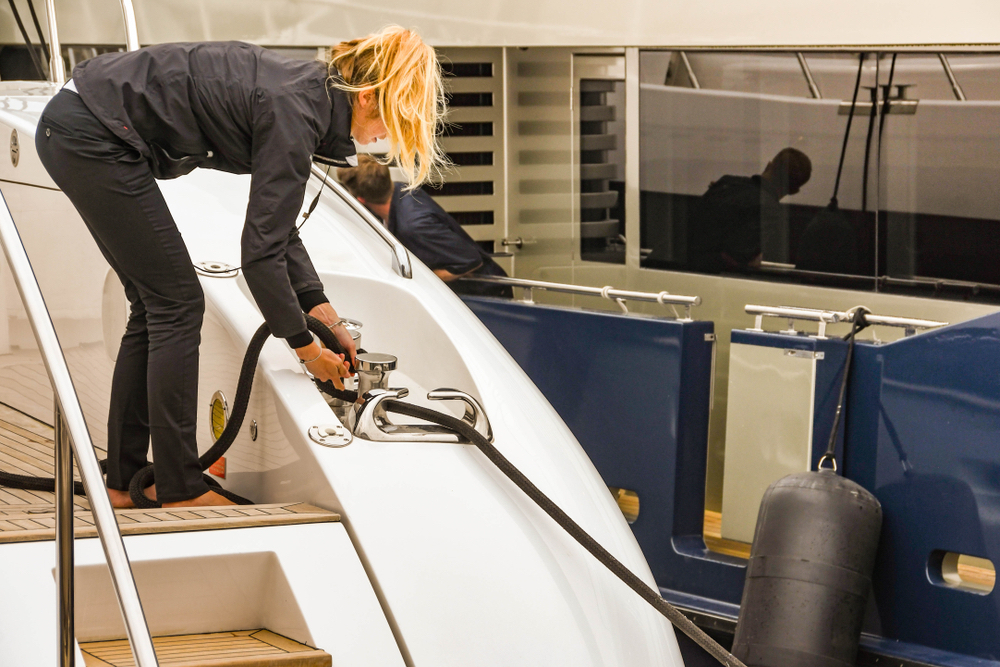
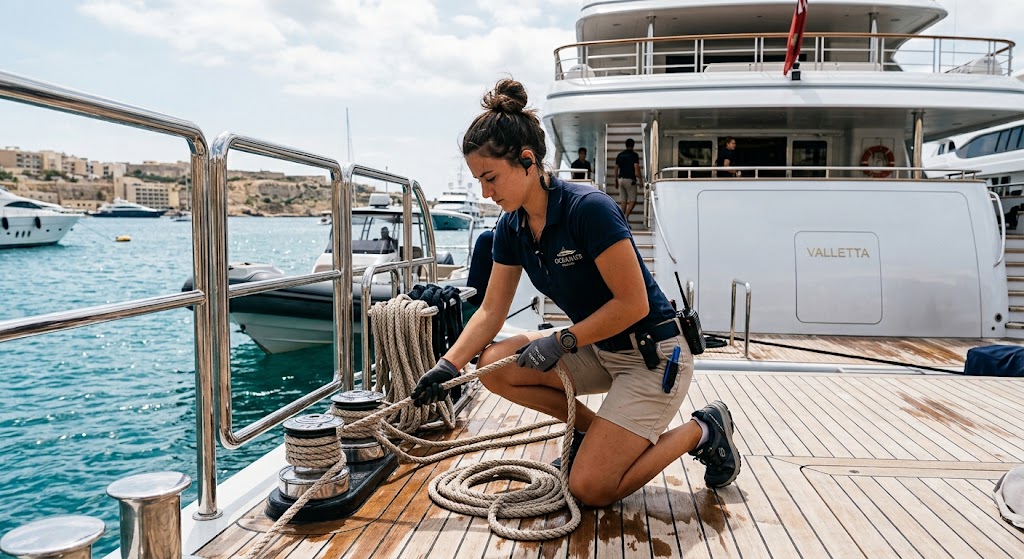
A conventional approach to curriculum development often begins by reviewing existing training programmes. However, the SYQF consortium refined this sequence to ensure complete objectivity. The team prioritised defining the actual scope of professional practice across three primary sectors: Onboard Operations, Shipyards, and Professional Services.
By establishing standard role templates and explicit selection criteria, the project identified representative roles regardless of company-specific terminology. Core responsibilities were converted into clear competencies, organised into thematic clusters, and translated into measurable learning outcomes.
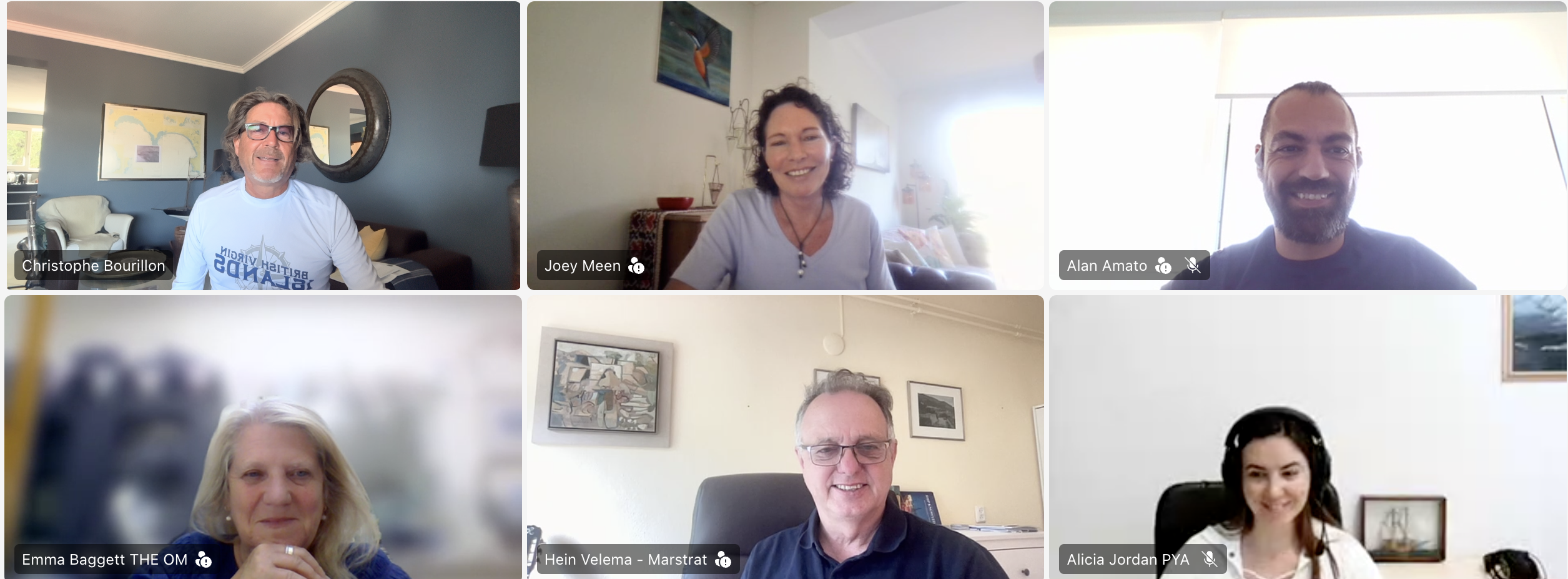
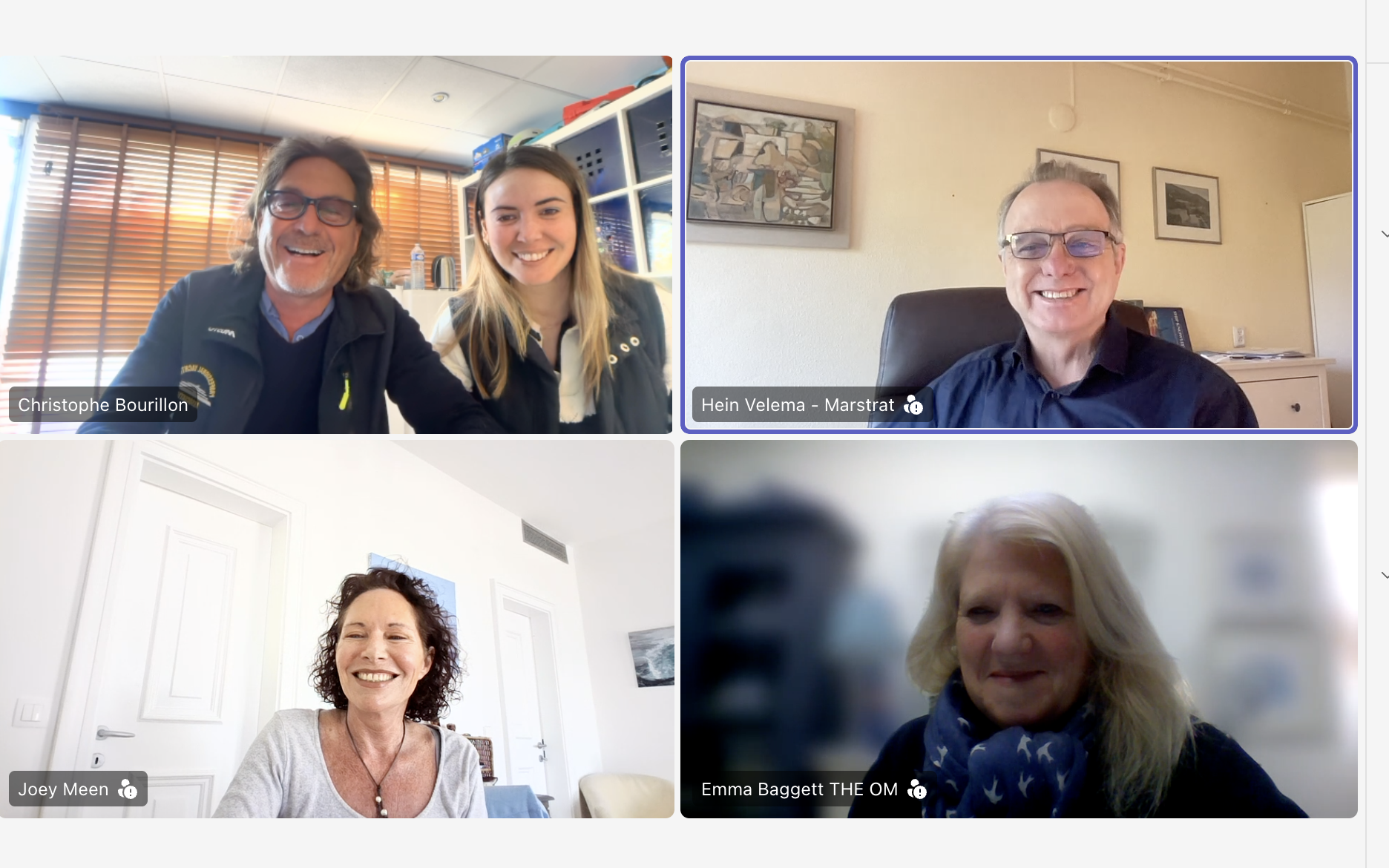
Special thanks to the following stakeholders who have contributed to the development of the qualifications framework by offering their expertise in the industry:
|
1. Joey Meen (IAMI) |
|
2. Rod Hatch (PYA) |
|
3. Christophe Bourillon (PYA) |
|
4. Emma Baggett (The OM) |
|
5. Alicia Jordan (PYA) |
|
6. Hein Velema (Superyacht Alliance) |
|
7. John Wyborn (Bluewater) |
|
8. Simon Dudding (Bluewater) |
|
9. Sandra Totten (Dolphin Yachts) |
|
10. Sebastian Devere Richardson (Malta Yacht Solutions) |
|
11. Japke van Groning (Feadship) |
|
12. Grazio Basile (ISYL) |
|
13. Pierre Bazan (Melita Marine Group) |
|
14. Alessandra Nesti (Azimut Benetti) |
Key Measurable Outputs
To manage and trace this extensive dataset, a dedicated relational database was developed. This tool links industry requirements directly to educational outcomes and training programmes. The current achievements of Work Package 2 include:
- 80 distinct professional roles across onboard, shipyard, and service domains.
- 1,122 defined responsibilities and 1,106 competencies grouped into 28 thematic clusters.
- 187 clear, outcome-based units designed for vocational assessment and prior-learning recognition.
- Comprehensive evaluation of 227 existing vocational and professional training courses mapped against the new learning outcomes to identify critical skills gaps.
Next Steps: Industry Validation
The relational database provides full traceability between professional practice and qualification requirements. The immediate next phase focuses on rigorous stakeholder validation. Multi-sector workshops involving over 60 maritime employers, training providers, and regulatory authorities across Europe will review the framework.
This collaborative validation guarantees that the provisional SYQF remains practically viable, pedagogically sound, and ready to support labour mobility across the European maritime economy.
July 2026